
 Muhammad Muneeb Zafar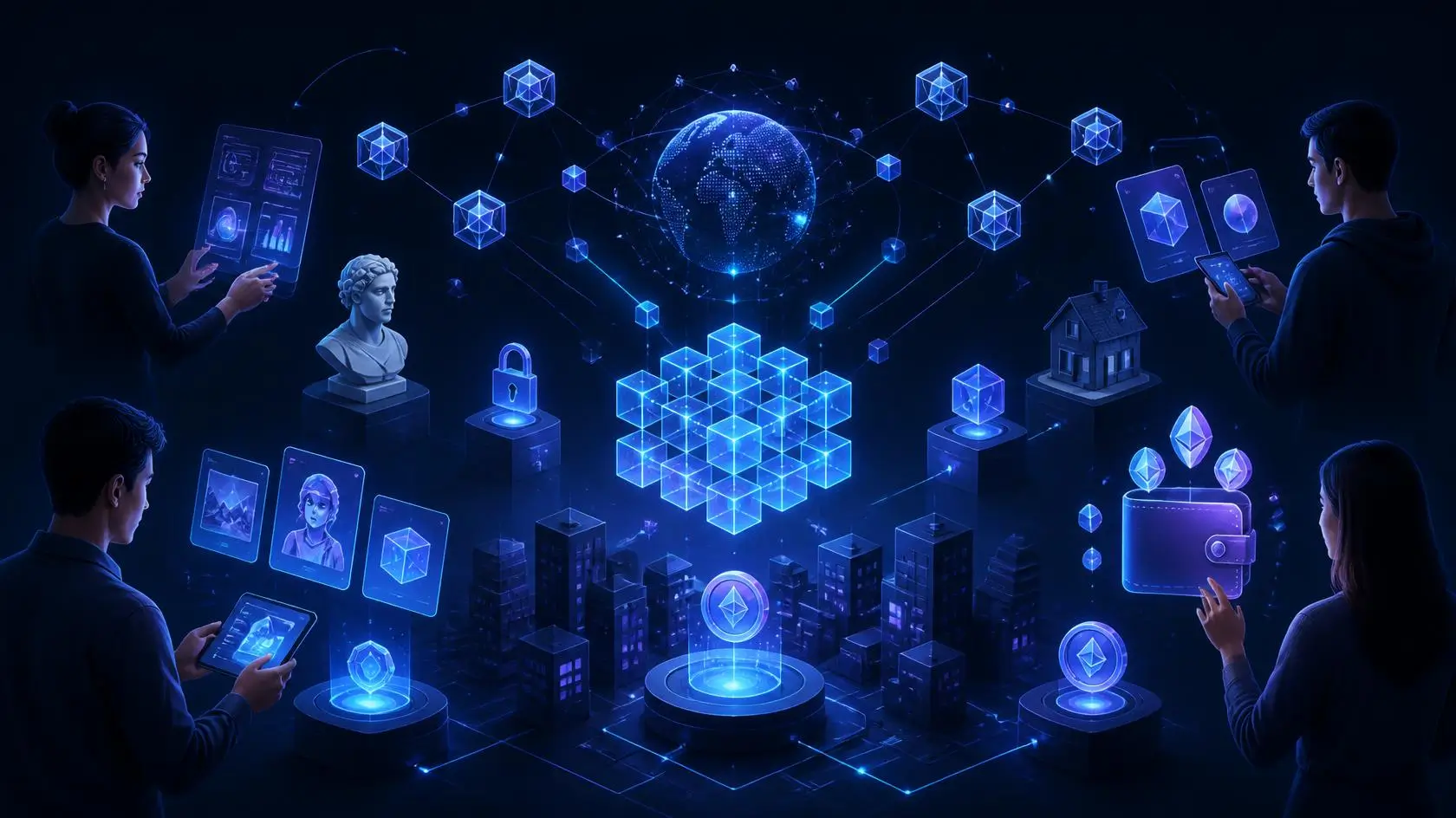
Web3
Web3 is a broad term for an internet model built around blockchains, digital ownership, native payments and decentralized applications. The term covers a wide range of technologies rather than one single product or network.
What Is Web3?
Web-3 is commonly described as a more user-owned internet where blockchains can provide shared infrastructure for assets, identity and applications. Ethereum describes the concept around decentralization, permissionless participation, native payments and ownership.
Web2 vs Web3
Web2 is dominated by centralized platforms that host applications and control many account systems. Web3 applications can use wallets and blockchain addresses as user-controlled interfaces, although many current services still rely on centralized infrastructure for hosting, social communication and development.
Core Components of Web-3
Blockchains
Blockchains provide shared transaction and state infrastructure. Different networks make different trade-offs around security, speed, fees and decentralization.
Wallets
Wallets allow users to manage addresses and sign transactions. In self-custody models, users are responsible for protecting their keys and recovery information.
Smart Contracts
Smart contracts provide programmable logic for decentralized applications. They can manage tokens, exchanges, lending, governance and many other functions.
Tokens and Digital Ownership
Tokens can represent currencies, governance rights, digital collectibles or claims within an application. Their meaning depends on the specific protocol and legal or economic design.
What Can People Do With Web-3?
- Use decentralized finance applications.
- Trade or hold blockchain-based assets.
- Participate in blockchain communities and governance.
- Use decentralized applications and games.
- Interact with tokenized digital assets.
Limitations and Risks
Web-3 remains an evolving ecosystem. Users can face smart-contract vulnerabilities, phishing, wallet loss, volatile assets, poor user interfaces and dependence on centralized infrastructure. Decentralization also varies widely between projects.
How to Evaluate a Web3 Project
Look beyond branding. Identify the blockchain, smart contracts, development activity, governance, token utility, security model, users and actual product. A large community or token price does not prove that an application is useful or secure.
Frequently Asked Questions
Is Web3 fully decentralized?
No. Decentralization varies between networks and applications, and many Web-3 services still use centralized hosting and infrastructure.
Do I need crypto to use Web3?
Some applications require blockchain transactions while others can provide Web-3 features without requiring users to hold large amounts of crypto.
Is Web3 the same as crypto?
No. Crypto is an important component of many Web-3 systems, but Web-3 also includes decentralized applications, digital identity, infrastructure and ownership concepts.
Sources and References
Ethereum’s Web3 overview explains the core ideas and limitations of the evolving Web-3 ecosystem.
Disclaimer: Educational content only; not financial advice.