 Muhammad Muneeb Zafar
Robinhood has moved beyond being a traditional investing platform with the launch of Robinhood Chain, an Ethereum Layer 2 designed specifically around financial services, tokenized real-world assets, and onchain trading.
The public mainnet launched in July 2026 using the Arbitrum technology stack, giving developers and users an infrastructure layer where financial assets and decentralized applications can operate onchain. Robinhood says the network is designed to connect traditional finance with decentralized finance while making blockchain-based financial products easier to access.
The launch has quickly attracted attention because Robinhood is bringing products such as tokenized stocks, decentralized trading, lending, and perpetual futures into an ecosystem connected to its broader financial platform.
So, what exactly is Robinhood Chain, how does it work, and why could it matter for crypto trading and the future of tokenized assets?
What Is Robinhood Chain?
Robinhood Chain is a permissionless Ethereum Layer 2 blockchain built using the Arbitrum platform.
Instead of trying to become another general-purpose blockchain, Robinhood is positioning the network around financial applications and real-world assets.
The chain is designed to support:
- Tokenized real-world assets
- Onchain trading
- Decentralized exchanges
- Lending and borrowing
- Stablecoins
- Tokenized stocks
- Perpetual futures
- DeFi applications
- Financial infrastructure for developers
Robinhood’s public mainnet launched in July 2026 with integrations from infrastructure providers and ecosystem partners including Uniswap, Alchemy, BitGo and Chainlink.
This makes Robinhood Chain particularly interesting because its goal is not simply to create another blockchain. Instead, it is attempting to build infrastructure around financial markets.
How Does Robinhood Chain Work?
Robinhood Chain operates as a Layer 2 network built on Ethereum through the Arbitrum platform.
The basic idea is straightforward.
Users and applications interact with Robinhood Chain, while the network uses Ethereum-related infrastructure for security and settlement. This allows Robinhood to create a specialized environment for financial applications without building an entirely independent Layer 1 blockchain.
The network also provides developers with infrastructure for creating decentralized applications.
According to Robinhood, the chain is designed to be AI-native, financial-grade and purpose-built for real-world assets.
That focus could make it particularly relevant as tokenization becomes a larger part of the digital-asset industry.
Why Is Robinhood Building Its Own Chain?
Robinhood already has millions of customers and offers trading across several financial products.
Building blockchain infrastructure gives the company an opportunity to move some financial activity from traditional platforms into permissionless onchain markets.
There are several potential reasons behind the strategy.
1. Bringing Traditional Finance Onchain
Traditional financial markets operate through centralized intermediaries, exchanges and settlement systems.
Blockchain technology can potentially make certain financial assets transferable and programmable onchain.
Robinhood Chain is designed to explore exactly this opportunity.
2. Supporting Tokenized Assets
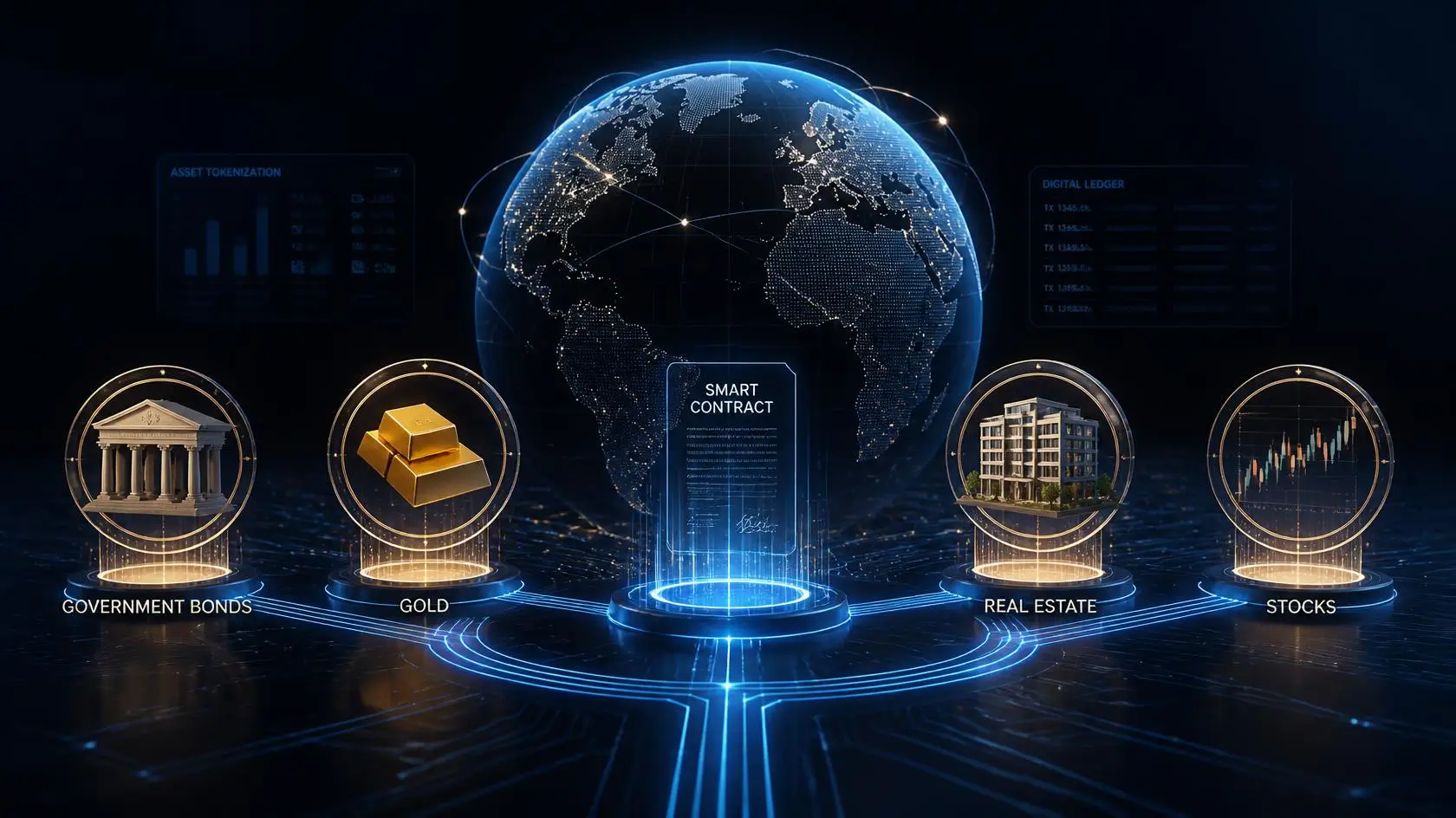
Tokenization is becoming one of the most important themes in the blockchain industry.
Instead of representing ownership or exposure through traditional financial infrastructure alone, blockchain-based tokens can provide programmable representations of financial assets.
Robinhood has made real-world assets a central part of its Chain strategy.
3. Expanding Into DeFi
Robinhood has historically focused on retail investing.
Robinhood Chain allows the company to participate more directly in decentralized finance, including decentralized exchanges, lending and other onchain applications.
4. Creating a Financial Ecosystem
Rather than relying entirely on third-party blockchains, Robinhood can provide infrastructure specifically designed around its own financial products and ecosystem.
That could potentially give the company greater control over how onchain financial services develop.
Robinhood Chain and Tokenized Stocks
One of the most important parts of Robinhood’s blockchain strategy is tokenized stocks.
Robinhood introduced new Stock Tokens that provide economic exposure to underlying securities. The company says eligible users can access these tokens through Robinhood Wallet and trade them onchain through supported decentralized exchanges. Availability varies by jurisdiction.
This is significant because it brings traditional equity exposure into a blockchain environment.
Instead of limiting trading to conventional market hours, tokenized assets can potentially operate in an onchain environment around the clock.
However, tokenized stocks should not automatically be treated as identical to owning the underlying shares.
Robinhood specifically states that its Stock Tokens are tokenized debt securities and provide economic exposure to underlying securities without giving investors legal or beneficial rights in those underlying securities.
That distinction is extremely important for anyone researching tokenized equities.
Robinhood Chain’s Growing Trading Activity
The network has attracted significant activity since its launch.
In early September 2026, Robinhood Chain’s decentralized exchange activity surged, with Decrypt reporting daily DEX volume approaching $1.6 billion on September 1. The same report cited approximately $738 million in DeFi deposits, nearly $797 million in stablecoins, and more than $2.5 billion in bridged assets.
These figures show that Robinhood Chain is already attracting meaningful liquidity and trading activity.
However, trading volume should not be interpreted as the same thing as long-term economic value.
High volume can be driven by speculation, short-term incentives, meme coins or temporary market opportunities.
The more important question is whether Robinhood can maintain useful activity across tokenized assets, DeFi and financial applications over time.
What Is Driving Robinhood Chain Activity?
Several factors appear to be contributing to the network’s growth.
Tokenized Assets
Tokenized stocks give the network a connection to traditional financial markets.
This could help Robinhood Chain differentiate itself from general-purpose Layer 2 networks.
DeFi
Decentralized exchanges, lending protocols and other applications provide additional reasons for users to hold and move assets onchain.
Meme Coins
Meme-coin trading has also contributed significantly to activity.
Recent September data showed that meme coins and tokenized-stock pairs were among the major drivers of trading activity on the network.
This creates an interesting combination: a network designed around institutional-style financial infrastructure is simultaneously attracting highly speculative crypto trading.
Stablecoins
Stablecoins provide the liquidity layer needed for many forms of onchain trading.
Growing stablecoin balances can make it easier for users to move between different assets without leaving the blockchain ecosystem.
Robinhood Chain vs Traditional Crypto Exchanges
Robinhood Chain is different from a conventional centralized crypto exchange.
A centralized exchange generally controls the trading environment, custody arrangements and order-matching infrastructure.
An onchain ecosystem works differently.
Users can interact with decentralized applications through blockchain wallets, while transactions and asset movements are recorded onchain.
This creates several potential advantages:
- Greater transparency
- Self-custody options
- Permissionless application development
- Programmable assets
- DeFi composability
- 24/7 onchain markets
But there are also additional risks.
Users may be exposed to smart-contract vulnerabilities, wallet security problems, liquidity risks and rapidly changing decentralized applications.
Robinhood Chain and DeFi
DeFi could become one of the most important components of Robinhood Chain.
Robinhood has already integrated decentralized financial products into its broader ecosystem.
For example, Robinhood announced Robinhood Earn, an onchain lending product using a self-custody wallet and Morpho infrastructure. The company also integrated perpetual futures through Lighter for eligible users in selected jurisdictions.
This suggests that Robinhood’s strategy is moving beyond simple token trading.
The longer-term vision appears to be an ecosystem where users can trade, lend, borrow and interact with financial assets directly through blockchain infrastructure.
Why Robinhood Chain Could Matter for Crypto
Robinhood has something that many blockchain projects do not: a large mainstream financial user base.
If even a portion of Robinhood’s users begin interacting with onchain financial products, it could help introduce blockchain-based markets to people who may never have used a traditional DeFi platform.
That could accelerate adoption of:
- Self-custody wallets
- Tokenized stocks
- Stablecoins
- Decentralized exchanges
- Onchain lending
- Tokenized real-world assets
The bigger opportunity is therefore not simply another Layer 2.
It is the possibility of connecting mainstream investing with decentralized financial infrastructure.
Risks and Challenges
Robinhood Chain also faces important challenges.
Regulatory Risk
Tokenized securities and crypto products operate within complex regulatory environments.
Rules can differ significantly between countries, which means products available in one jurisdiction may not be available elsewhere.
Robinhood itself notes that availability of Stock Tokens and other products varies by jurisdiction.
Smart Contract Risk
DeFi applications rely on smart contracts.
A vulnerability in a smart contract can potentially result in financial losses.
Speculative Trading
Strong trading volumes do not necessarily mean sustainable adoption.
Meme coins and speculative assets can create large temporary spikes in network activity.
Competition
Robinhood Chain is entering a highly competitive Layer 2 and DeFi market.
Ethereum, Arbitrum, Base, Solana and other networks already have established developer communities and liquidity.
Robinhood will need to provide a compelling reason for developers, traders and asset issuers to build on its ecosystem.
What Could Robinhood Chain Mean for Tokenization?
The most interesting long-term possibility may be the growth of real-world asset tokenization.
Financial institutions are increasingly exploring blockchain-based representations of traditional assets.
Robinhood’s focus on tokenized stocks places the company directly in this emerging market.
If tokenized equities, bonds, commodities and other financial instruments become more widely adopted, specialized blockchain infrastructure could become increasingly valuable.
Robinhood Chain is therefore part of a much larger shift toward bringing traditional financial assets onto blockchain networks.
Is Robinhood Chain a Crypto Exchange?
Not exactly.
Robinhood Chain is a blockchain network, not simply a centralized cryptocurrency exchange.
Robinhood remains a financial platform offering brokerage and crypto services, while Robinhood Chain provides blockchain infrastructure for onchain applications and assets.
The two are connected, but they serve different functions.
Is Robinhood Chain Built on Ethereum?
Yes.
Robinhood Chain is an Ethereum Layer 2 built using the Arbitrum platform. Robinhood launched its public testnet in February 2026 before launching the public mainnet in July.
This gives the network a connection to Ethereum’s broader ecosystem while allowing Robinhood to create infrastructure specifically focused on financial applications.
What Should Users Watch Next?
Anyone following Robinhood Chain should watch several metrics rather than focusing on a single headline number.
Key indicators include:
- DEX trading volume
- Stablecoin supply
- DeFi deposits
- Developer activity
- Number of applications
- Tokenized asset adoption
- Active users
- Bridged assets
- Network fees
- Institutional participation
The most important signal will be whether activity remains strong after periods of speculative trading.
Sustainable growth would ideally involve increasing usage across multiple financial applications rather than relying heavily on meme coins.
Robinhood Chain Outlook for 2026
Robinhood Chain is one of the more interesting developments in the convergence of traditional finance and blockchain technology in 2026.
Its combination of Layer 2 infrastructure, tokenized stocks, DeFi applications and Robinhood’s existing financial ecosystem gives it a unique position in the market.
Recent trading activity shows that users are already willing to experiment with the network. However, the long-term success of Robinhood Chain will depend on whether it can convert early trading activity into sustainable financial infrastructure and real-world adoption.
For the broader crypto industry, the experiment is worth watching.
If Robinhood successfully brings mainstream users into onchain financial markets, it could help accelerate the next stage of blockchain adoption.
Frequently Asked Questions
What is Robinhood Chain?
Robinhood Chain is a permissionless Ethereum Layer 2 built using the Arbitrum platform and designed around financial services, tokenized real-world assets and onchain applications.
When did Robinhood Chain launch?
Robinhood launched the public testnet in February 2026 and announced the public mainnet launch in July 2026.
Is Robinhood Chain an Ethereum Layer 2?
Yes. Robinhood Chain is built as an Ethereum Layer 2 using the Arbitrum platform.
Does Robinhood Chain support tokenized stocks?
Yes. Robinhood launched Stock Tokens that provide economic exposure to underlying securities, with availability depending on jurisdiction.
Can Robinhood Chain be used for DeFi?
Yes. The ecosystem supports decentralized applications and financial products including decentralized trading and lending.
Is Robinhood Chain safe?
No blockchain or DeFi ecosystem is completely risk-free. Users should consider smart-contract vulnerabilities, wallet security, liquidity, regulatory restrictions and market volatility before using onchain products.
Is Robinhood Chain the same as Robinhood?
No. Robinhood is the financial-services company and platform, while Robinhood Chain is its blockchain network designed for onchain financial applications.
Final Takeaway
Robinhood Chain represents a significant attempt to connect mainstream investing with decentralized financial infrastructure.
Its focus on tokenized assets, DeFi and onchain trading makes it different from many general-purpose blockchain networks. Early activity has already demonstrated strong interest, but the network is still developing.
The key question for 2026 and beyond is not simply how much trading volume Robinhood Chain can generate.
It is whether Robinhood can turn that activity into a sustainable ecosystem for tokenized assets, decentralized finance and mainstream onchain markets.
Editorial Note: This article is for informational and educational purposes only. Cryptocurrency, tokenized assets and DeFi products involve significant risks. Product availability, regulations and network activity can change quickly. Readers should conduct their own research and verify information through official sources before making financial decisions.
Sources & References
- Robinhood — Robinhood Chain public mainnet announcement.
- Robinhood — Robinhood Chain public testnet announcement.
- Decrypt — Recent Robinhood Chain DEX activity and onchain metrics.
- CryptoRank — Recent Robinhood Chain trading activity and volume data.